
Keeping a hard copy of the maths on the felt is the difference between guessing and playing on expected value, and that is exactly why a blackjack basic strategy chart printable remains the cheapest edge you can carry to any live table. I have all the specs spent thirty years building payment rails and risk systems across Europe and Australia, and I still reckon a laminated card beats a phone app when the arvo lights come on and the dealer speeds up. The house edge does not care about your gut feel, but it does respond to discipline, and a clear chart turns every hard total and pair into a repeatable decision rather than a mood. No worries if you have never memorised indices before; the right sheet is meant to sit beside your chips until the patterns stick.
What Makes This Printable Chart Worth Keeping

A decent blackjack basic strategy chart printable is built around the same core logic every serious player uses: hit, stand, double, or split according to your total against the dealer upcard, with the house rules baked into the grid. The version worth printing usually covers multi-deck shoes, dealer stands on soft 17, and late surrender where it is offered, because those details shift a few borderline hands and change how often you should double down on soft totals. I have audited enough transaction flows to know that a chart only earns its keep when it matches the table rules you actually face, so the small print on deck count and doubling restrictions matters more than the artwork on the page. For an Australian player grabbing a seat in Wollongong or down the coast, the practical upside is simple: you can glance at the grid between hands without fumbling through a browser, and the layout stays readable even when the table gets busy as a Saturday session at the races. Ireland has a rich horse-racing and betting heritage, and that same culture of reading the conditions before you commit money translates cleanly to blackjack, where the printed grid is basically your pre-race check on the rules and the expected move.wanted dead or a wild in slot section
How to Actually Use a Blackjack Basic Strategy Chart Printable
Reading the grid without slowing the game
The first thing to nail is the layout itself, because a cluttered sheet costs you more time than it saves. Most printable grids run your hand total down the left side and the dealer upcard across the top, with colour coding or shorthand for hit, stand, double, split, and surrender. Start by finding your hard total in the left column, then track across to the dealer card you can see, and the intersecting cell tells you the statistically correct play for that exact matchup. Soft hands and pairs usually sit in their own blocks, so do not force a hard-total reading onto an ace-heavy hand; the double-down and split rows exist precisely because soft totals behave differently under the same dealer upcard. If you are new to this, print on A4, keep the font above eleven points, and run a few hands on a free trainer before you sit down, so the eye movements become automatic instead of a pause that draws the dealer’s attention.
Matching the chart to the table in front of you
A chart only earns its keep when it reflects the actual rules at your table, and that is where a lot of players waste the edge they bought. Before you place a chip, check whether the dealer hits or stands on soft 17, whether doubling is allowed on any two cards or only on 9 through 11, and whether late surrender is on the felt, because each of those shifts a handful of cells on the grid. If your printable sheet assumes a different rule set from the one running in Wollongong or wherever you are playing, the advice on a few borderline doubles and splits will drift, and that is enough to turn a small edge into a slower bleed over a long session. I have seen enough payment and compliance setups to know that rule mismatches are the kind of quiet friction that compounds, so the habit of cross-checking the grid against the table placard is worth more than any flashy bonus promise.
Why a Printed Chart Still Fits How Australians Play
For most local players, the appeal of a blackjack basic strategy chart printable comes down to friction and focus, not novelty. A physical card survives spilled drinks, glare, and a dead battery, and it keeps your eyes on the table instead of scrolling through a browser while the shoe turns. The usability angle is straightforward: you can mark the cells you forget most often, slip the sheet into a wallet or table envelope, and reuse it across different venues without logging in or chasing a local app that may not match your table rules. That everyday fit matters because blackjack is a game of repetition, and the players who hold their edge are usually the ones who treat the chart as a working tool rather than a one-off download. If you are comparing gambling options in the same way you would weigh a wanted dead or a wild in slot section, the point is the same: match the tool to the actual conditions, not to the marketing around it.
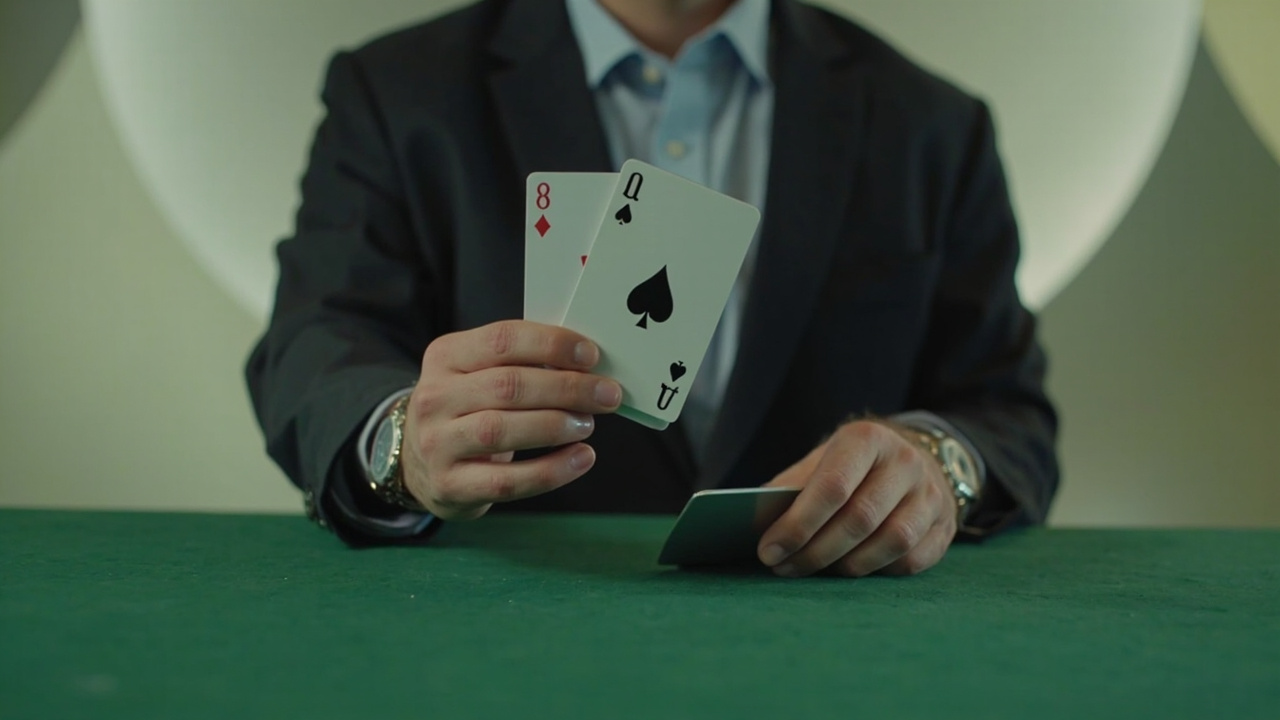
Keep the sheet rule-accurate, keep it legible, and use it to remove hesitation rather than to chase outcomes. A blackjack basic strategy chart printable will not turn the house edge into a win guarantee, but it does give you a repeatable way to play each hand on the numbers instead of on impulse, and that discipline is the only part of the game you can actually control.